
Discover Essential Family Support Resources and Family Assistance Programs

Families are the heart of every community. They provide love, care, and support. But sometimes, families face challenges that require extra help. That is why family assistance programs are so important. These programs offer vital support to families in need. They help strengthen bonds and improve lives. Today, I want to share with you some essential family support resources and how they can make a difference.
Understanding Family Assistance Programs
Family assistance programs are designed to provide help to families facing difficulties. These programs cover a wide range of needs. They can include financial aid, counseling, childcare, and educational support. The goal is to empower families to overcome obstacles and thrive.
For example, some programs offer food assistance to families struggling to put meals on the table. Others provide parenting classes to help caregivers build stronger relationships with their children. Many programs also focus on preventing child abuse and neglect by offering resources and education.
If you want to support your community or need help yourself, it is important to know where to find these programs. You can often access them through local government offices, community centers, or nonprofit organizations. The Exchange Club of San Gabriel Valley is one such organization that works hard to connect families with these valuable resources.
By participating in family assistance programs, families gain access to tools and support that can change their lives. These programs foster unity and promote positive change in the community.

How Family Assistance Programs Strengthen Communities
Family assistance programs do more than help individual families. They build stronger communities. When families receive support, they become more stable and resilient. This stability benefits everyone.
Here are some ways family assistance programs strengthen communities:
Reduce stress and conflict: Families under pressure often face conflicts. Assistance programs provide relief and guidance to ease tensions.
Promote child safety and well-being: Programs focused on child abuse prevention protect the most vulnerable members of the community.
Encourage education and growth: Access to tutoring, mentoring, and youth programs helps children and teens succeed.
Build social connections: Support groups and community events create bonds among families and neighbors.
Increase volunteerism and civic engagement: Families who receive help often give back, creating a cycle of support.
By supporting family assistance programs, we invest in the future of our neighborhoods. We create a place where everyone can thrive.
What are some examples of dysfunctional families?
Understanding the challenges some families face helps us appreciate the importance of support programs. Dysfunctional families often struggle with communication, trust, and emotional health. These issues can lead to harmful patterns that affect all members.
Some common examples of dysfunctional family dynamics include:
Poor communication: Family members avoid talking about problems or express themselves in hurtful ways.
Substance abuse: Addiction can disrupt family roles and create instability.
Neglect or abuse: Physical, emotional, or verbal abuse damages trust and safety.
Unrealistic expectations: Pressure to meet impossible standards causes stress and resentment.
Lack of boundaries: Family members may overstep personal limits, leading to conflict.
Family assistance programs offer counseling and education to help families break these patterns. They provide tools to build healthier relationships and create a safe environment for everyone.
Practical Ways to Find Family Support Resources
If you or someone you know needs help, it is important to know how to find family support resources. Here are some practical steps to get started:
Reach out to local community centers: Many centers offer information about available programs.
Contact nonprofit organizations: Groups like The Exchange Club of San Gabriel Valley provide direct support and referrals.
Use online directories: Websites list family assistance programs by location and type.
Ask healthcare providers or schools: They often have connections to support services.
Attend community events: These gatherings can introduce you to helpful resources and networks.
Remember, you can always find family support resources through trusted local organizations. Don’t hesitate to ask for help. Seeking support is a sign of strength.
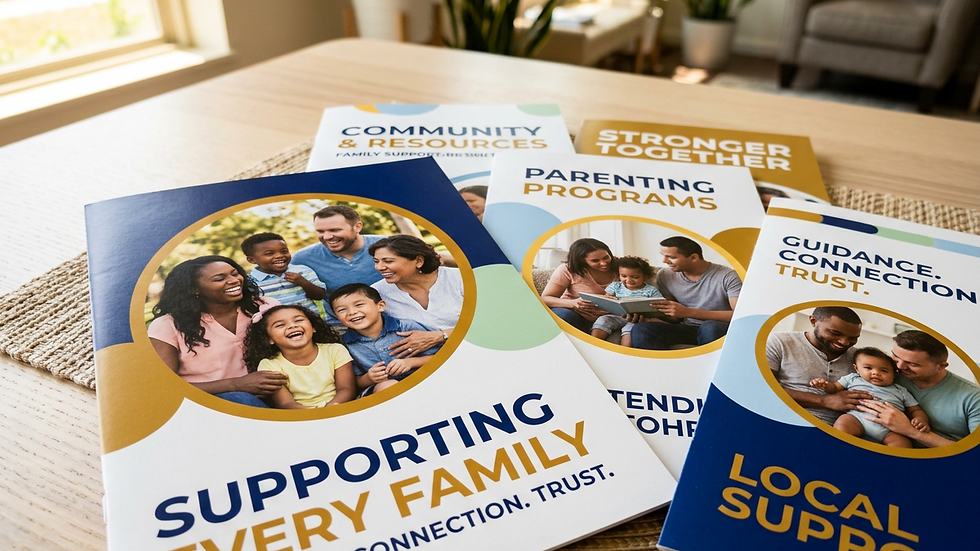
How You Can Help Strengthen Families in Your Community
Supporting family assistance programs is a powerful way to make a positive impact. Here are some ways you can get involved:
Volunteer your time: Help with events, tutoring, or mentoring youth.
Donate resources: Contribute funds, food, clothing, or school supplies.
Spread awareness: Share information about family support programs with your network.
Advocate for families: Support policies that fund and expand assistance programs.
Join local organizations: Groups like The Exchange Club of San Gabriel Valley welcome new members who want to make a difference.
Every action counts. Together, we can build a community where families feel supported and valued.
Embracing a Brighter Future for Families
Family assistance programs are more than just services. They are lifelines that bring hope and healing. By connecting families with the right resources, we create a foundation for lasting change.
Let’s continue to support these programs and encourage others to do the same. When families thrive, communities flourish. Together, we can inspire positive change and foster unity.
Your involvement matters. Whether you seek help or offer it, you are part of a movement that strengthens families and uplifts our community.
Let’s work hand in hand to build a brighter future for all families.


Comments